ayurvedic24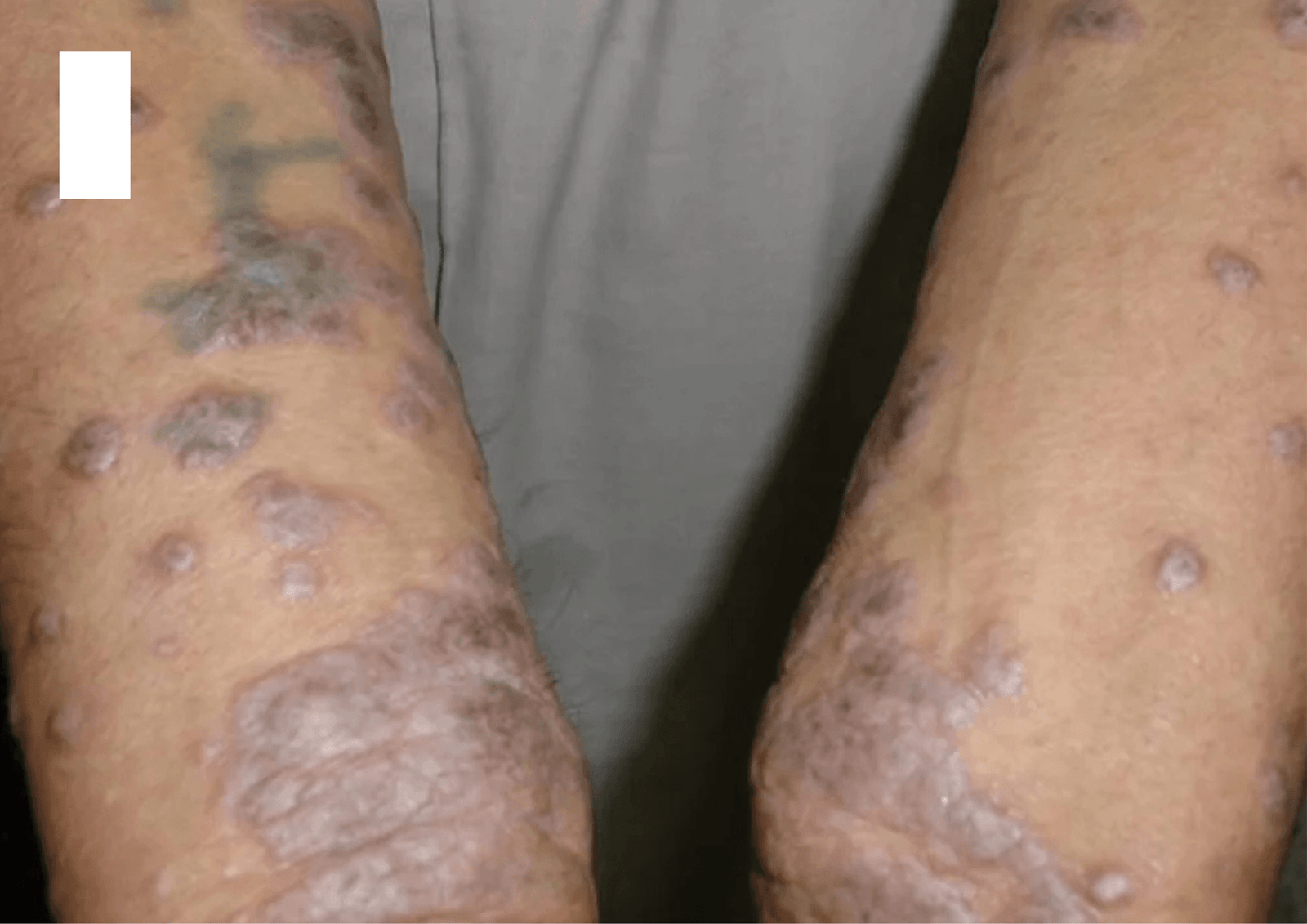
Lichen Planus in Ayurveda: Understanding and Managing the Condition Naturally
A chronic inflammatory skin disorder that affects the skin, nails, and mucous membranes is called lichen planus (LP). It is characterized by flat, itchy, purple lumps or lesions that occasionally leave scars. Although the exact cause of Lichen Planus is uncertain, it is frequently thought to be an autoimmune disease in which the skin and mucous membranes are mistakenly attacked by the immune system. Steroids and other immunosuppressants are commonly used in conventional therapy. However, the traditional Indian medical system known as Ayurveda provides a natural and comprehensive method of treating lichen planus.
What is Lichen Planus?
The skin ailment known as lichen planus is characterized by flat, purple, itchy lesions that are frequently accompanied by scaling. These lesions can cause painful sores on the lower back, wrists, ankles, and even the mouth. It is not communicable, but because of its obvious symptoms, it can be quite uncomfortable and emotionally upsetting.
Although anybody can get lichen planus, adults—particularly those in their 30s to 60s—are more likely to get it. The illness is thought to be triggered by stress, some drugs, viral infections, and autoimmune disorders.
Ayurvedic Perspective on Lichen Planus
According to Ayurveda, Lichen Planus is caused by an imbalance in the three doshas of the body—Pitta, Kapha, and Vata. The body’s energy forces are represented by these doshas, and an imbalance can result in a number of illnesses and health problems. The Pitta dosha, which controls the body’s heat, inflammation, and metabolism, is said to be the main one that is worsened in Lichen Planus. Skin-related symptoms including irritation, itching, and inflammation are brought on by this imbalance.
Furthermore, Ayurveda holds that preserving general health depends on the body’s digestive fire (Agni) and vital energies (Prana). Toxins (Ama) build up in the body when the Agni is weak, resulting in illnesses like Lichen Planus.
Ayurvedic Causes of Lichen Planus
Ayurveda states that a number of internal and external variables, such as the following, might contribute to the formation of Lichen Planus:
1. Pitta Dosha imbalance: Skin eruptions and inflammation are caused by an inflamed Pitta dosha.
2. Toxin Build-Up (Ama): The body may accumulate toxins as a result of poor digestion, which may show up as skin irritation.
3. Stress and Emotional Unbalance: Ayurveda places a strong emphasis on the mind-body link. Pitta can be elevated by stress and unpleasant emotions, which can cause skin issues to flare up.
4. Autoimmune Dysfunction: According to Ayurveda, Lichen Planus can also arise as a result of an immune system imbalance.
Ayurvedic Treatment for Lichen Planus
Ayurvedic treatment for Lichen Planus focuses on balancing the doshas, improving digestion, detoxifying the body, and calming the mind. Here are some key Ayurvedic treatments and remedies that may help manage Lichen Planus:
1. Herbal Treatments
Ayurveda treats inflammatory skin disorders with a variety of medicines. The following are a few of the most often used herbs for Lichen Planus:
• Neem (Azadirachtaindica):
Known for its anti-inflammatory and blood-purifying qualities, neem aids in calming the afflicted areas and lowering skin inflammation.
• Turmeric (Curcuma longa):
This herb has strong anti-inflammatory properties and can help lessen the redness and swelling that come with lichen planus.
• Aloe Vera (Aloe barbadensis):
This plant’s cooling qualities can help heal and soothe sore skin. • Guduchi (Tinosporacordifolia): renowned for its immunomodulatory qualities, Guduchi aids in detoxifying and fortifies the immune system.
• Ashwagandha (Withaniasomnifera):
This adaptogen increases the body’s resilience, balances Pitta, and lowers stress.
Depending on the condition of the individual, these herbs can be administered as powders, capsules, or topically as pastes.
- Modifications to Diet
Food is important for balancing the doshas, according to Ayurveda. A Pitta-pacifying diet is advised for those with Lichen Planus. Among the nutritional recommendations are:
• Include cooling foods:
Consume foods like cucumbers, coconut, and leafy greens that reduce inflammation and chill the body.
• Avoid clear of foods that are acidic, greasy, or spicy:
Items that irritate Pitta include tomatoes, hot spices, and fried foods.
• Eat meals that are simple to digest: Easy-to-digest foods, like as soups, stews, and khichdi (a mixture of rice and lentils), promote a healthy digestive system and inhibit the accumulation of toxins (Ama).
• Drink lots of water:
Staying hydrated is essential for maintaining healthy skin and eliminating toxins from the body.
- Detoxification by Panchakarma
An Ayurvedic detoxification procedure called panchakarma aids in ridding the body of accumulated poisons (Ama). The procedure involves a number of therapies, including:
- Vamana (emesis therapy), which involves causing controlled vomiting in order to rid the body of toxins.
• Virechana (purgation therapy): Encouraging the intestines to rid themselves of poisons.
• Bathing (enema therapy): eliminating toxins from the gut.
• Bloodletting therapy, or raktamokshana: Bloodletting is sometimes performed to purify the blood.
These treatments aid in the healing of skin disorders like lichen planus, enhance digestion, and bring the doshas back into equilibrium.
- Ayurvedic Skin Care
Topical Ayurvedic treatments can help soothe the skin and reduce itching and inflammation. Some popular Ayurvedic remedies include:
- Coconut oil with turmeric:
A natural moisturizer that aids in lowering inflammation and dryness.
- Neem oil:
- Applied to the afflicted areas, neem oil is well-known for its antibacterial and anti-inflammatory qualities.
- Aloe vera gel:
For calming and cooling benefits, fresh aloe vera gel can be applied straight to the skin.
- Lifestyle Modifications
The following practices are important for managing autoimmune conditions like Lichen Planus:
- Yoga and Pranayama (breathing exercises): These help balance Pitta dosha, reduce stress, and promote overall well-being;
- Adequate rest and sleep: The body’s healing process and immune function depend on adequate sleep;
- Mindfulness and meditation: These practices help calm the mind, reduce stress, and restore emotional balance.
Home remedies for lichen planus
🌿 1. Aloe Vera
- Apply fresh aloe vera gel directly to affected skin areas.
- It has soothing, anti-inflammatory, and healing properties.
🧂 2. Coconut Oil
- Use virgin coconut oil to moisturize itchy, dry patches.
- It may help reduce inflammation and soothe irritation.
🧊 3. Cool Compress
- Apply a cold compress to relieve itching and discomfort.
- Wrap ice in a clean cloth; do not apply ice directly to skin.
🍵 4. Turmeric
- Turmeric has natural anti-inflammatory and antimicrobial properties.
- Drink turmeric milk (half teaspoon turmeric in warm milk) daily.
- You can also apply a turmeric paste mixed with coconut oil on lesions (do a patch test first).
🧂 5. Oatmeal Bath
- Add finely ground oatmeal to lukewarm bath water.
- Soak for 15–20 minutes to help relieve itching.
🧴 6. Baking Soda Paste
- Make a paste of baking soda and water.
- Apply gently on itchy spots to calm irritation (avoid open wounds).
🌱 7. Diet Tips
- Eat more fresh fruits and vegetables to support immunity.
- Avoid spicy, fried foods if oral lichen planus is present.
You can visit our Youtube channel to get knowledge about other Products.
To get more information click here.