ayurvedic24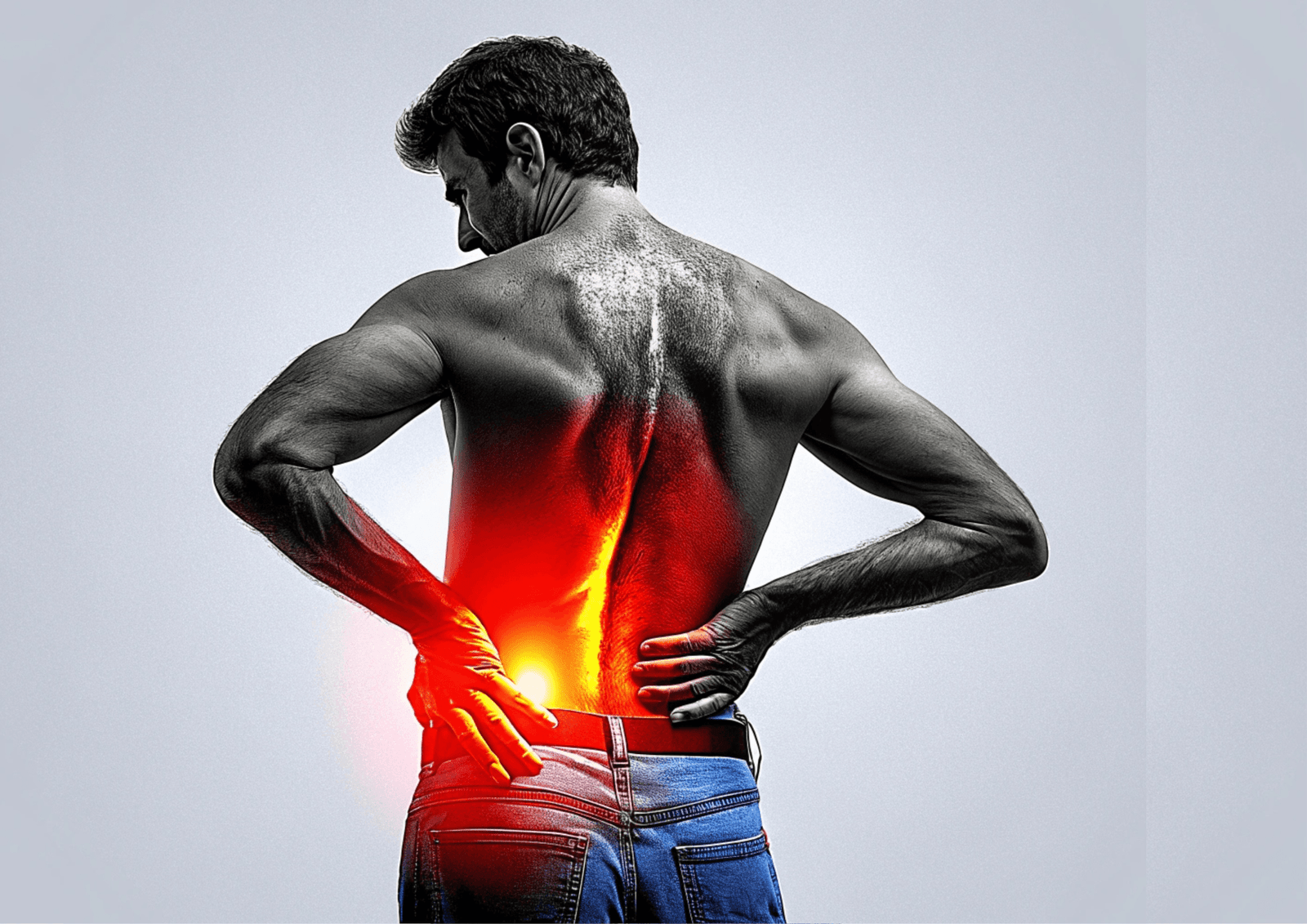
Lower Back Pain in Ayurveda: Causes, Remedies, and Holistic Healing
Introduction
Lower back pain, also known as Katishoolain Ayurveda, is one of the most common health concerns worldwide. With modern lifestyles characterized by prolonged sitting, lack of physical activity, poor posture, and stress, the prevalence of back pain has increased tremendously. In contemporary medicine, back discomfort is frequently associated with disc issues, arthritis, nerve compression, or muscular strain.However, Ayurveda—India’s ancient system of medicine—views lower back pain as a manifestation of deeper imbalances in the body, especially of the Vata dosha.
Ayurveda emphasizes not just treating the pain but also identifying the root cause, balancing the doshas, detoxifying the system, and restoring harmony through herbs, therapies, yoga, diet, and lifestyle modifications. In this blog, we will explore the Ayurvedic perspective on lower back pain, its causes, symptoms, and holistic management.
Understanding Lower Back Pain in Ayurveda
In Ayurveda, lower back pain is commonly referred to as Katishoola or Kati Vata.
- Kati = lower back region
- Shoola = pain
The condition is primarily due to Vata imbalance, as Vata governs movement, flexibility, and the nervous system. When Vata becomes aggravated due to improper diet, lifestyle, or age-related degeneration, it localizes in the lower back region, causing stiffness, pain, and restricted mobility.
Ayurvedic View of Doshas in Back Pain:
- Vata Dosha: Main culprit. Aggravated Vata causes dryness, degeneration of tissues, nerve compression, and sharp pain.
- Pitta Dosha: When Pitta is involved, there is burning sensation, inflammation, and tenderness in the lower back.
- Kapha Dosha: A kapha imbalance causes the back to feel stiff, heavy, and occasionally swollen.
Key Ayurvedic Terminologies Related to Back Pain:
- Katishoola – General lower back pain.
- Gridhrasi – Sciatica (pain radiating from lower back to legs).
- Sandhivata – Osteoarthritis affecting spinal joints.
- Asthi Kshaya – Degeneration of bones leading to chronic pain.
Causes of Lower Back Pain According to Ayurveda
Ayurveda classifies causes of lower back pain into dietary, lifestyle, and physiological imbalances:
- Improper Diet (Ahara)
- Excess intake of dry, cold, light, and rough foods aggravates Vata.
- Excess spicy, sour, or fermented food may increase Pitta, leading to inflammation.
- Heavy, oily, and sweet foods increase Kapha, leading to stiffness and sluggish metabolism.
- Lifestyle Factors (Vihara)
- Prolonged sitting or standing.
- Irregular sleeping patterns.
- Excessive traveling (especially long drives).
- Carrying heavy loads or improper lifting.
- Sedentary lifestyle with no exercise.
- Psychological Factors (Manasika Hetu)
- Prolonged anxiety and stress weaken the nerve system and upset Vata.
- Suppression of natural urges (vegadharana) disturbs dosha balance.
- Age and Degeneration
- Natural degeneration of joints, bones, and discs due to aging leads to Sandhivata (osteoarthritis) or Asthi Kshaya.
- Injury or Trauma
- Accidental falls, sports injuries, or muscle strains may trigger Vata imbalance.
Symptoms of Lower Back Pain
The symptoms vary depending on dosha involvement, but commonly include:
- Dull or sharp pain in the lower back.
- Stiffness and difficulty in bending or twisting.
- Pain radiating to buttocks, thighs, or legs (sciatica).
- Numbness or tingling sensation.
- Weakness in lower limbs.
- Morning stiffness that improves with movement.
- Burning or inflammation in Pitta involvement.
- Heaviness and rigidity in Kapha involvement.
Ayurvedic Diagnosis of Lower Back Pain
Ayurveda uses Nidana Panchaka (five diagnostic tools) for evaluation:
- Nidana (Causes) – Identifying causative factors like diet, posture, stress.
- Purvarupa (Prodromal symptoms) – Initial stiffness, mild pain, or fatigue.
- Rupa (Symptoms) – Pain, restricted movements, numbness.
- Upashaya (Relieving factors) – Observing if pain reduces with warmth, massage, or rest.
- Samprapti (Pathogenesis) – Understanding how aggravated doshas accumulate and localize in the Kati pradesha (lumbar region).
Ayurvedic Management of Lower Back Pain
Ayurveda adopts a holistic approach to managing lower back pain, combining diet, lifestyle, herbal medicines, and Panchakarma therapies.
Herbal Medicines
Some classical herbs and formulations used for back pain are:
- Dashmoola – Anti-inflammatory, pain-relieving, and Vata balancing.
- Rasna – Relieves pain and stiffness.
- Shallaki (Boswellia serrata) – Reduces inflammation in joints.
- Guggulu (Commiphora mukul) – Improves mobility and reduces pain.
- Ashwagandha (Withania somnifera) – Strengthens muscles, reduces stress, and nourishes tissues.
- Nirgundi (Vitex negundo) – Relieves stiffness and pain.
- Eranda Taila (Castor oil) – Used in therapies and internal consumption for Vata pacification.
Common Ayurvedic Formulations:
- Yograj Guggulu
- Maharasnadi Kwath
- Dhanwantaram Kashayam
- Trayodashanga Guggulu
- Balarishta
(Note: These should be taken only under guidance of an Ayurvedic physician.)
Panchakarma Therapies
Panchakarma offers deep cleansing and rejuvenation, highly effective in chronic lower back pain.
- Abhyanga (Ayurvedic Massage): Warm medicated oils like Mahanarayan Taila or Dhanwantaram Taila massaged over the back to relieve stiffness and nourish tissues.
- Swedana (Sudation Therapy): Fomentation using herbal steam or bolus (Pinda Sweda) to reduce stiffness and pain.
- Kati Basti: A unique therapy where warm medicated oil is retained in a circular frame over the lumbar region. Provides excellent relief in chronic back pain, sciatica, and disc problems.
- Basti (Medicated Enema): The most effective treatment for Vata disorders. Herbal decoctions and oils are administered rectally to balance Vata and strengthen the lower back.
- Pizhichil (Oil Bath Therapy): Continuous pouring of warm oil on the body with gentle massage, rejuvenating muscles and nerves.
- Lepa (Herbal Paste Application): Application of warm herbal paste on the lower back to relieve localized pain and swelling.
Diet and Nutrition
Diet plays a vital role in balancing doshas and promoting recovery.
- For Vata aggravation (most common in back pain):
- Include warm, oily, nourishing foods.
- Use ghee, sesame oil, and cooked vegetables.
- Milk, rice, wheat, and lentils are beneficial.
- Avoid dry, cold, processed foods.
- For Pitta involvement (inflammatory pain):
- Prefer cooling foods like cucumber, melon, leafy greens.
- Avoid spicy, sour, and oily foods.
- For Kapha involvement (stiffness, heaviness):
- Include light, dry, and warm foods.
- Barley, millet, ginger, and honey are helpful.
- Avoid excess dairy, sugar, and fried foods.
Recommended Herbs & Spices:
- Turmeric, ginger, garlic (anti-inflammatory).
- Cumin, coriander, fennel (digestive and Vata balancing).
Yoga and Exercise
Gentle yoga postures strengthen the spine, improve flexibility, and balance doshas. Some recommended asanas:
- Bhujangasana (Cobra pose)
- Shalabhasana (Locust pose)
- Setu Bandhasana (Bridge pose)
- Marjariasana (Cat-Cow stretch)
- Balasana (Child’s pose)
- Tadasana (Palm tree pose)
Pranayama like Anulom Vilom and Bhramari help calm the mind and balance Vata.
(Avoid strenuous exercises during acute pain episodes.)
Lifestyle Recommendations
- Maintain correct posture while sitting and standing.
- Avoid prolonged sitting; take breaks to stretch.
- Sleep on a firm mattress.
- Apply warm oil to the lower back daily.
- Avoid excess stress, irregular routines, and late nights.
- Practice meditation for mental relaxation.
Preventive Measures
- Follow Dinacharya (daily routine) to maintain balance of doshas.
- Regular oil massage (Abhyanga) to strengthen bones and muscles.
- Avoid suppression of natural urges.
- Stay active but avoid overexertion.
- Maintain healthy body weight to reduce spinal strain.
You can visit our Youtube channel to get knowledge about other Products.
To get more information click here.